Seasonal Dessert Pies 5 Classic Favorites
Bake delicious seasonal dessert pies with these 5 classic favorites. A perfect ending to any meal.
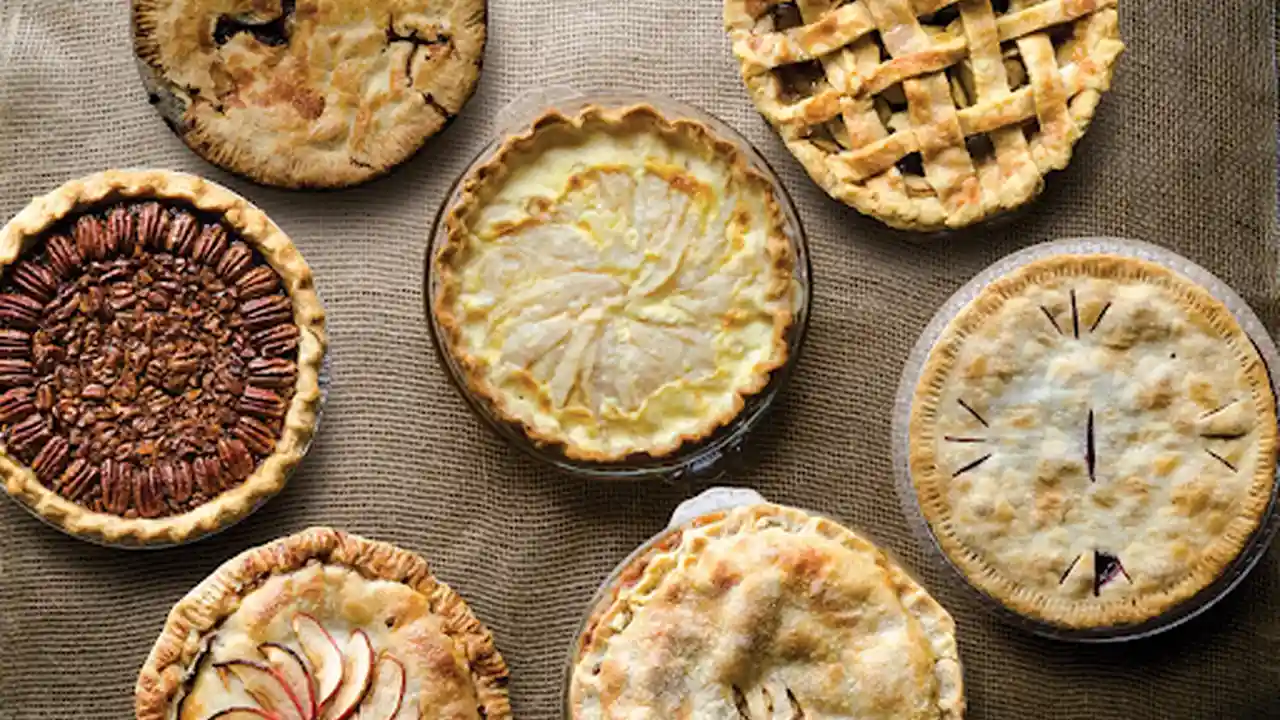
Bake delicious seasonal dessert pies with these 5 classic favorites. A perfect ending to any meal. There's something truly magical about a homemade pie. The flaky crust, the bubbling, flavorful filling – it’s a culinary hug, a centerpiece for any gathering, and a testament to the changing seasons. While store-bought options abound, nothing quite compares to the aroma and taste of a pie fresh from your own oven. This guide will delve into five classic dessert pies, perfect for different seasons, offering not just recipes but also insights into their history, variations, and even specific product recommendations to elevate your baking game. We'll explore the best ingredients, essential tools, and even compare different approaches to achieve pie perfection.
Seasonal Dessert Pies 5 Classic Favorites
Apple Pie The Quintessential Autumn Delight
When autumn leaves begin to fall and the air turns crisp, the scent of baking apple pie is simply irresistible. It's a timeless classic, deeply rooted in American culinary tradition, often associated with comfort, family, and harvest festivals. But what makes a truly great apple pie?
Best Apples for Baking Apple Pie
The secret to a stellar apple pie lies in choosing the right apples. You want a mix of sweet and tart, and varieties that hold their shape during baking. Our top recommendations include:
- Granny Smith: Offers a tartness that balances the sweetness of the filling and holds its shape beautifully.
- Honeycrisp: Sweet, crisp, and juicy, adding a lovely texture and flavor.
- Braeburn: A good all-rounder, offering a balance of sweet and tart with a firm texture.
- Fuji: Sweet and crunchy, great for adding a different dimension to the mix.
Pro Tip: Use at least two, preferably three, different apple varieties for a more complex flavor profile and interesting texture.
Essential Tools for Apple Pie Perfection
Having the right tools makes all the difference:
- Pie Dish: A 9-inch ceramic or glass pie dish is ideal for even baking. We recommend the Pyrex Basics 9.5 Inch Pie Plate (around $10-15 on Amazon) for its durability and even heat distribution. For a more rustic look, consider a ceramic dish like the Emile Henry Ruffled Pie Dish (around $40-50), which also bakes beautifully.
- Pastry Blender or Food Processor: For making flaky crusts. The OXO Good Grips Stainless Steel Bladed Dough Blender (around $12) is excellent for hand blending, while a Cuisinart 14-Cup Food Processor (around $200-250) makes quick work of dough.
- Rolling Pin: A good quality wooden rolling pin, like the J.K. Adams Maple Wood Rolling Pin (around $30-40), offers good control.
- Apple Peeler Corer Slicer: For efficiency, especially if you're making multiple pies. The Starfrit Rotato Express Electric Peeler (around $20-25) can be a fun gadget, though a good old-fashioned peeler and corer work just as well.
Comparing Apple Pie Variations
While the classic double-crust apple pie reigns supreme, there are delightful variations:
- Dutch Apple Pie (Crumble Top): Features a buttery, streusel topping instead of a top crust. This is often quicker to make and offers a different textural experience.
- French Apple Pie (Lattice Top): A decorative lattice top crust allows the filling to peek through, often with a glaze. This requires a bit more finesse in pastry work.
- Caramel Apple Pie: Incorporates a rich caramel sauce into the apple filling, adding an extra layer of sweetness and depth.
Pumpkin Pie The Iconic Thanksgiving Dessert
No Thanksgiving table is complete without a creamy, spiced pumpkin pie. Its smooth texture and warm spices evoke feelings of gratitude and togetherness. While seemingly simple, achieving the perfect custard-like consistency and balanced spice blend is key.
Achieving the Perfect Pumpkin Pie Texture
The secret to a silky-smooth pumpkin pie lies in:
- Using Canned Pumpkin Puree: For consistency and ease, canned pumpkin puree (not pumpkin pie filling) is generally preferred. Brands like Libby's 100% Pure Pumpkin (around $3-5 per can) are widely available and reliable.
- Proper Baking Temperature: Start with a higher temperature to set the crust, then reduce it to gently bake the custard. Overbaking leads to cracks and a rubbery texture.
- The Water Bath (Bain-Marie): For an extra-creamy, crack-free pie, baking the pie in a water bath can help regulate the temperature and prevent the edges from cooking too quickly.
Spice Blends for Pumpkin Pie
The classic pumpkin pie spice blend typically includes cinnamon, nutmeg, ginger, and cloves. You can buy pre-mixed pumpkin pie spice (like McCormick Pumpkin Pie Spice, around $5-7) or create your own for fresher, more potent flavors. Some recipes also include a pinch of allspice or cardamom for added complexity.
Serving Suggestions for Pumpkin Pie
Pumpkin pie is best served chilled, often with a dollop of freshly whipped cream. For an extra touch, consider a sprinkle of cinnamon or a drizzle of maple syrup.
Pecan Pie A Southern Sweetheart
Rich, sweet, and nutty, pecan pie is a beloved Southern classic, especially popular during the holiday season. Its gooey, caramel-like filling studded with crunchy pecans is pure indulgence.
The Role of Corn Syrup in Pecan Pie
Corn syrup is a crucial ingredient in traditional pecan pie, providing the signature gooey texture and preventing crystallization of the sugar. Both light and dark corn syrup can be used, with dark corn syrup offering a deeper, more molasses-like flavor. Karo Corn Syrup (around $4-6) is the most common brand.
Toasting Pecans for Enhanced Flavor
While not strictly necessary, lightly toasting your pecans before adding them to the filling significantly enhances their flavor and aroma. Spread them on a baking sheet and toast in a 350°F (175°C) oven for 5-7 minutes, or until fragrant.
Variations on Pecan Pie
Beyond the classic, you can experiment with:
- Chocolate Pecan Pie: Add chocolate chips (dark, milk, or semi-sweet) to the filling for a decadent twist.
- Bourbon Pecan Pie: A splash of bourbon adds a sophisticated depth of flavor, a common addition in Southern recipes.
- Maple Pecan Pie: Substitute some or all of the corn syrup with pure maple syrup for a different kind of sweetness.
Cherry Pie A Burst of Summer Sweetness
When summer arrives, and cherries are in season, a vibrant cherry pie is a must-make. Its bright, tart-sweet flavor and juicy filling are a refreshing contrast to heavier desserts.
Fresh vs. Frozen Cherries for Pie
While fresh cherries are ideal for their superior flavor and texture, they require pitting, which can be time-consuming. A cherry pitter (like the OXO Good Grips Cherry Pitter, around $12-15) is a worthwhile investment if you plan to bake with fresh cherries often. Frozen cherries are a convenient alternative, especially when fresh ones are out of season. If using frozen, thaw them and drain any excess liquid to prevent a watery pie.
Thickening the Cherry Pie Filling
Cherry pie filling can be notoriously runny. To ensure a perfectly set pie, use a thickener:
- Cornstarch: A common choice, providing a clear, glossy finish.
- Tapioca Starch (Quick-Cooking Tapioca): Creates a slightly less glossy, but very stable filling. It's often preferred for fruit pies as it doesn't cloud the fruit's natural color.
- Flour: Can be used, but may result in a slightly cloudy or pasty filling.
Serving Cherry Pie
Cherry pie is fantastic served warm with a scoop of vanilla ice cream, allowing the ice cream to melt slightly into the warm, fruity filling. A dollop of whipped cream is also a classic pairing.
Lemon Meringue Pie A Tangy and Sweet Delight
With its bright, zesty lemon custard and towering, fluffy meringue, lemon meringue pie is a showstopper. It offers a delightful contrast of tangy and sweet, with a satisfyingly crisp crust.
Achieving a Smooth Lemon Curd
The heart of lemon meringue pie is its lemon curd. To ensure a smooth, lump-free curd:
- Use Fresh Lemon Juice and Zest: This is non-negotiable for the best flavor.
- Whisk Constantly: When cooking the curd, whisk continuously to prevent scorching and ensure even thickening.
- Strain the Curd: After cooking, strain the curd through a fine-mesh sieve to remove any cooked egg bits or zest, resulting in a perfectly smooth texture.
The Art of Meringue
The meringue topping is what truly elevates this pie. Key tips for a stable, glossy meringue:
- Clean Bowl and Whisk: Any grease can prevent egg whites from whipping properly. Use a meticulously clean glass or metal bowl.
- Room Temperature Egg Whites: They whip up with more volume.
- Gradually Add Sugar: Add sugar slowly, a tablespoon at a time, once the egg whites are foamy. This allows the sugar to dissolve and creates a stable meringue.
- Whip to Stiff Peaks: The meringue should hold stiff, glossy peaks.
- Brown Quickly: Bake the meringue at a high temperature for a short time to brown the peaks without overcooking the custard. A kitchen torch (like the Sondiko Butane Torch, around $20-25) can also be used for a perfectly browned top without baking.
Common Meringue Problems and Solutions
- Weeping Meringue: This happens when sugar isn't fully dissolved or the meringue is undercooked. Ensure sugar is fully incorporated and bake until golden.
- Shrinking Meringue: Can occur if the meringue isn't spread to the edges of the crust, or if it's cooled too quickly.
General Pie Baking Tips for Success
The Perfect Pie Crust
A flaky, tender pie crust is the foundation of any great pie. Here are some universal tips:
- Keep Ingredients Cold: Cold butter or shortening is crucial for flaky layers.
- Don't Overwork the Dough: Overworking develops gluten, leading to a tough crust. Mix just until combined.
- Chill the Dough: Chilling allows the gluten to relax and the fats to firm up, making it easier to roll and preventing shrinkage.
- Blind Baking: For custard or very wet fillings, blind baking (pre-baking) the crust prevents a soggy bottom. Use pie weights (like Fox Run Pie Weights, around $10-15) or dried beans to keep the crust from bubbling up.
Baking Temperatures and Times
Most pies start at a higher temperature (e.g., 425°F / 220°C) for the first 15-20 minutes to set the crust, then reduce to a lower temperature (e.g., 375°F / 190°C) to cook the filling through. Always refer to your specific recipe, but keep an eye on the crust to prevent over-browning. Use a pie shield (like the Mrs. Anderson's Baking Pie Crust Shield, around $8-10) if edges are browning too quickly.
Cooling Your Pie
Patience is key! Most pies need to cool completely on a wire rack before slicing. This allows the filling to set properly and prevents a messy slice. For fruit pies, this can take several hours. Custard pies often need to chill in the refrigerator.
Recommended Baking Ingredients and Brands
While specific brands can vary by region, here are some generally reliable choices for your pie ingredients:
- Flour: All-purpose flour like King Arthur Unbleached All-Purpose Flour (around $5-7 for 5lb) or Gold Medal All-Purpose Flour (around $4-6 for 5lb) are excellent choices.
- Butter: High-quality unsalted butter is best for crusts. Kerrygold Pure Irish Butter (around $4-6 per stick) or Land O'Lakes Unsalted Butter (around $3-5 per stick) are great.
- Sugar: Granulated sugar and brown sugar from any reputable brand will work.
- Spices: Freshly ground spices offer the best flavor. Consider whole nutmeg and cinnamon sticks to grind yourself, or reliable brands like Simply Organic or Frontier Co-op for pre-ground spices.
- Vanilla Extract: Pure vanilla extract, not imitation. Nielsen-Massey Madagascar Bourbon Pure Vanilla Extract (around $15-20 for 4oz) is a premium choice, but McCormick Pure Vanilla Extract (around $8-12 for 4oz) is a good everyday option.
Where to Buy Your Pie Baking Essentials
You can find most of these ingredients and tools at your local grocery store, specialty kitchen stores, or online retailers. For baking tools, consider:
- Amazon: Wide selection, competitive prices, and customer reviews.
- Target / Walmart: Good for basic, affordable baking tools and ingredients.
- Sur La Table / Williams Sonoma: Higher-end kitchenware, great for durable, quality tools.
- Local Kitchen Supply Stores: Often have unique items and knowledgeable staff.
Baking pies is a rewarding experience, a blend of science and art. With these classic recipes, essential tools, and helpful tips, you're well on your way to creating delicious, seasonal dessert pies that will impress your family and friends. Happy baking!
:max_bytes(150000):strip_icc()/277019-baked-pork-chops-with-cream-of-mushroom-soup-DDMFS-beauty-4x3-BG-7505-5762b731cf30447d9cbbbbbf387beafa.jpg)