Wine Tasting Party 3 Best Setup Tips
Host a sophisticated wine tasting party with these 3 best setup tips. Impress your guests with a curated selection and presentation.
Host a sophisticated wine tasting party with these 3 best setup tips. Impress your guests with a curated selection and presentation.
Wine Tasting Party 3 Best Setup Tips
So, you're thinking about hosting a wine tasting party? That's fantastic! It's a wonderfully elegant and engaging way to spend time with friends, learn something new, and, of course, enjoy some delicious wine. But where do you even begin? Don't worry, I've got you covered. Setting up a successful wine tasting isn't as daunting as it might seem. It's all about creating the right atmosphere, selecting the perfect wines, and ensuring your guests have all the tools they need to truly appreciate the experience. Let's dive into the three best setup tips that will transform your casual get-together into a memorable and sophisticated wine adventure.
Tip 1: Curating Your Wine Selection The Heart of the Party
This is arguably the most crucial step. Your wine selection dictates the entire theme and flow of your tasting. You don't need to break the bank, but a thoughtful selection will elevate the experience. Here are a few popular approaches to consider:
Theme Ideas for Wine Selection
- Regional Focus: Choose wines from a specific region, like Napa Valley Cabernet Sauvignons, Italian Chiantis, or French Bordeaux. This allows guests to explore the nuances of a particular terroir.
- Varietal Comparison: Select different expressions of the same grape varietal. For example, compare a California Chardonnay with a French Chablis, or an Australian Shiraz with a French Syrah. This highlights how climate and winemaking techniques influence the final product.
- Vertical Tasting: If you're feeling ambitious, gather different vintages of the same wine from the same producer. This is fascinating for observing how a wine evolves with age.
- Price Point Challenge: Blindly taste wines at different price points (e.g., a $15, $30, and $60 bottle of the same varietal) and see if guests can identify the more expensive one. This is always a fun and eye-opening exercise.
- Old World vs. New World: Compare wines from traditional European regions (Old World) with those from newer wine-producing countries like Australia, Chile, or the USA (New World).
How Many Wines to Serve?
For a casual tasting, 4-6 wines are usually ideal. This allows guests to appreciate each wine without palate fatigue. If you're doing a more in-depth tasting, you might go up to 8, but ensure you have palate cleansers readily available.
Product Recommendations for Wine Selection
Let's consider a 'Varietal Comparison' theme focusing on Sauvignon Blanc, a popular and versatile white wine. We'll compare three distinct styles:
1. New Zealand Sauvignon Blanc: Marlborough Region
Example Product: Kim Crawford Sauvignon Blanc, Marlborough, New Zealand
Typical Price: $12-$18 USD
Why it's a good choice: This is the quintessential New Zealand Sauvignon Blanc. It's known for its vibrant, pungent aromas of passionfruit, grapefruit, and often a hint of jalapeño or gooseberry. It's crisp, refreshing, and highly aromatic, making it a great starting point for understanding the varietal's expressive nature. It's widely available and consistently good.
Serving Suggestion: Serve chilled (45-50°F / 7-10°C). Pairs wonderfully with fresh seafood, goat cheese, and light salads.
2. French Sancerre: Loire Valley, France
Example Product: Pascal Jolivet Sancerre, Loire Valley, France
Typical Price: $25-$40 USD
Why it's a good choice: Sancerre is the classic Old World expression of Sauvignon Blanc. It's typically more subtle and mineral-driven than its New Zealand counterpart, with notes of wet stone, green apple, and a delicate herbaceousness. It showcases the elegance and terroir-driven characteristics of French winemaking. The higher price point reflects its regional prestige and often more nuanced profile.
Serving Suggestion: Serve slightly less chilled than New Zealand Sauvignon Blanc (50-54°F / 10-12°C). Excellent with oysters, grilled fish, and asparagus.
3. California Sauvignon Blanc: Napa Valley/Sonoma County
Example Product: Duckhorn Vineyards Sauvignon Blanc, Napa Valley, California
Typical Price: $25-$35 USD
Why it's a good choice: California Sauvignon Blancs often fall somewhere between the two, sometimes with a touch of oak aging (which can add creamy textures and vanilla notes) or a riper fruit profile. Duckhorn is a well-regarded producer that often offers a balanced style, showcasing ripe citrus and melon notes with good acidity. This provides a different perspective on the varietal, showing how winemakers in warmer climates can interpret it.
Serving Suggestion: Serve chilled (48-52°F / 9-11°C). Versatile with poultry, pasta with cream sauces, and even some spicier Asian dishes.
Comparison and Usage Scenarios
When tasting these three, encourage guests to note the differences in aroma intensity, fruit profile (tropical vs. green apple), acidity, and finish. The New Zealand wine is often the most aromatic and 'loud,' the Sancerre more restrained and mineral, and the California wine a bridge, often with more body. This comparison allows for a clear understanding of how origin and winemaking influence the same grape.
Tip 2: Essential Tools and Setup Creating the Perfect Environment
Once your wines are selected, it's time to set the stage. The right tools and a well-organized space are crucial for a smooth and enjoyable tasting experience.
Glassware Matters for Wine Tasting
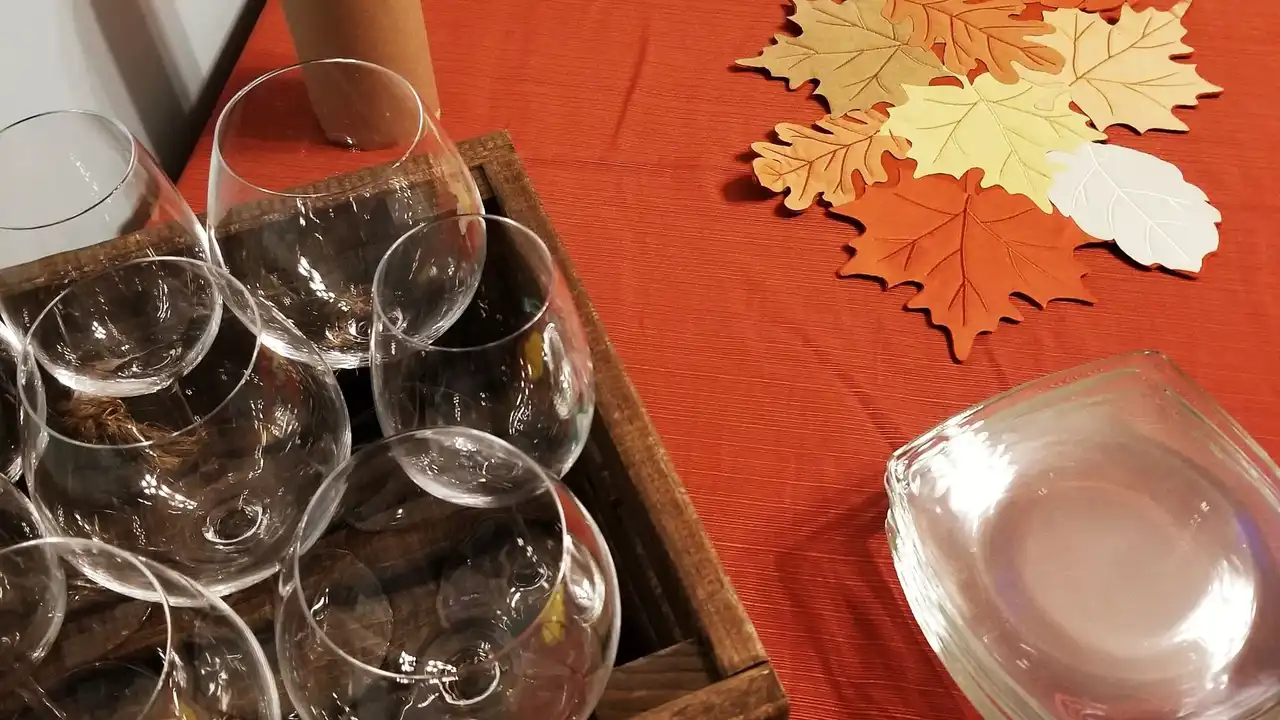
While you don't need a different glass for every varietal, having proper wine glasses is essential. Avoid thick-rimmed tumblers. Opt for clear, thin-rimmed, stemmed wine glasses. Universal wine glasses or specific white wine glasses (smaller bowl) and red wine glasses (larger bowl) are ideal. The stem prevents your hand from warming the wine, and the bowl shape helps concentrate aromas.
Product Recommendation: Riedel Overture Wine Glasses (Set of 4 or 8)
Typical Price: $30-$50 USD for a set of 4
Why it's a good choice: Riedel is a renowned name in wine glassware. The Overture series is their entry-level, yet high-quality, universal glass. It's durable enough for regular use but designed to enhance the wine's aromas and flavors. They are widely available and a great investment for any wine enthusiast.
Palate Cleansers and Water
This is often overlooked but incredibly important. Provide plain, unsalted crackers or baguette slices to cleanse the palate between wines. Still water is also crucial for hydration and rinsing glasses if needed. Avoid anything with strong flavors that could interfere with the wine's taste.
Spit Buckets (Optional but Recommended)
For serious tastings, or if you want to ensure guests can drive home safely, provide spit buckets. It might seem unglamorous, but professional tasters use them to avoid intoxication and maintain a clear palate. Small, opaque buckets or even large coffee mugs work well.
Tasting Sheets and Pens
Provide each guest with a simple tasting sheet. This helps them focus on different aspects of the wine (appearance, aroma, palate, finish) and record their impressions. You can find many free printable templates online, or create your own. Include space for notes and a rating.
Wine Openers and Accessories
Have at least two reliable wine openers on hand. A waiter's corkscrew or a lever-style opener are good options. Consider a foil cutter for neatness. If serving red wines, a decanter can be beneficial for aeration, especially for younger, bolder reds.
Product Recommendation: Rabbit Original Lever Corkscrew
Typical Price: $40-$60 USD
Why it's a good choice: While pricier than a basic corkscrew, the Rabbit opener is incredibly easy to use, making cork removal effortless. It's durable and a favorite among many home entertainers. Its ease of use means less fumbling and more focus on the wine.
Lighting and Ambiance
Good lighting is important for observing the wine's color and clarity. Natural light is best, but if tasting in the evening, ensure the area is well-lit. Avoid strong perfumes or scented candles, as they can interfere with the wine's aromas. Keep the room at a comfortable temperature.
Tip 3: Guiding the Experience From Pour to Discussion
You're the host, but also the guide. A little structure goes a long way in making the tasting informative and enjoyable for everyone.
Blind Tasting or Open Tasting?
For a more engaging experience, consider a blind tasting. Cover the bottles with foil bags or brown paper bags, and number them. Reveal the wines only after everyone has tasted and discussed them. This removes any preconceived notions based on label or price.
Product Recommendation: Wine Bottle Covers/Bags (Set of 6-12)
Typical Price: $10-$20 USD
Why it's a good choice: These simple fabric or paper bags are perfect for blind tastings. They are reusable and effectively conceal the bottle, ensuring an unbiased tasting experience. Look for ones with numbers or tags for easy identification.
The Tasting Order
Generally, taste wines from lightest to fullest bodied, and from driest to sweetest. For example, start with sparkling, then light whites, fuller whites, light reds, fuller reds, and finally dessert wines. This prevents lighter wines from being overwhelmed by bolder ones.
The Four S's of Wine Tasting
Briefly explain the basic steps to your guests:
- See: Observe the wine's color, clarity, and viscosity. Is it pale lemon, deep ruby, or tawny?
- Swirl: Gently swirl the wine in the glass to release its aromas.
- Smell: Inhale deeply. What aromas do you detect? Fruit, floral, earthy, spicy?
- Sip: Take a small sip, let it coat your palate, and notice the flavors, acidity, tannins (for reds), and finish.
Facilitating Discussion
Encourage guests to share their observations. Ask open-ended questions like, 'What fruits do you smell?' or 'How does the wine feel in your mouth?' Don't be afraid of 'wrong' answers; wine tasting is subjective. Share some basic facts about each wine (region, varietal, producer) after the tasting of that particular wine, or at the end if it's a blind tasting.
Food Pairings (Optional but Fun)
While the focus is on the wine, offering small, complementary food pairings can enhance the experience. Think cheese and crackers, charcuterie, or even small chocolate squares for red wines. Just ensure the food doesn't overpower the wine.
Product Recommendation: Bamboo Cheese Board and Knife Set
Typical Price: $30-$60 USD
Why it's a good choice: A good cheese board is versatile for any entertaining. Bamboo is sustainable and looks elegant. A set with integrated knives makes serving easy and adds a professional touch to your food presentation. It's perfect for offering a selection of cheeses that can pair with various wines.
Hosting a wine tasting party is a fantastic way to explore the world of wine with your friends. By focusing on a curated wine selection, having the right tools, and guiding the experience, you'll create an event that's both educational and incredibly enjoyable. Remember, the goal is to have fun and discover new favorites. Cheers to your next successful wine tasting!
:max_bytes(150000):strip_icc()/277019-baked-pork-chops-with-cream-of-mushroom-soup-DDMFS-beauty-4x3-BG-7505-5762b731cf30447d9cbbbbbf387beafa.jpg)