Seasonal Volunteering Opportunities 5 Ways to Give Back
Make a difference with these 5 seasonal volunteering opportunities. Give back to your community and spread kindness.
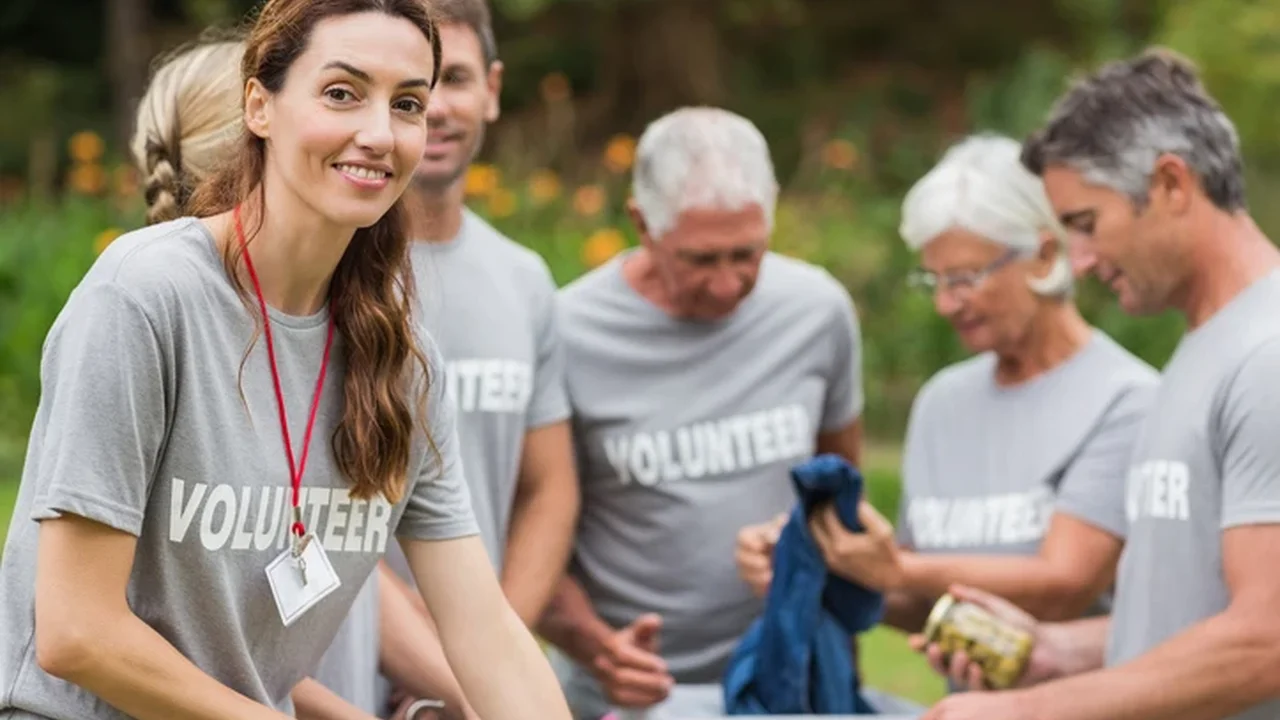
Make a difference with these 5 seasonal volunteering opportunities. Give back to your community and spread kindness.
Seasonal Volunteering Opportunities 5 Ways to Give Back
Hey there, fellow kindness spreaders! Ever feel that itch to do something good, something that truly makes a difference in your community? Well, you're in luck! Volunteering isn't just a feel-good activity; it's a powerful way to connect with others, learn new skills, and genuinely impact lives. And guess what? Every season brings its own unique set of needs and opportunities to lend a hand. Whether you're looking to help out during the festive holiday rush or contribute to environmental efforts in the spring, there's a perfect fit for everyone. Let's dive into five fantastic ways you can give back throughout the year, complete with practical advice, product recommendations for specific tasks, and a look at how different organizations tackle these needs.
Spring Volunteering Opportunities Environmental Cleanups and Community Gardens
Ah, spring! The season of renewal, fresh starts, and getting outdoors. It's the perfect time to roll up your sleeves and help Mother Nature, or at least your local park. Environmental cleanups and community garden projects are huge in the spring, and for good reason. After a long winter, parks and public spaces often need a good tidying, and gardens are just waking up, ready for planting and tending.
Why Volunteer for Environmental Cleanups and Community Gardens
Think about it: cleaner parks mean safer, more enjoyable spaces for everyone. Less litter means less pollution in our waterways and healthier habitats for wildlife. Community gardens, on the other hand, aren't just about growing veggies; they're about fostering community bonds, providing fresh produce to those in need, and teaching valuable skills. It's a win-win-win!
What You'll Do and What You'll Need
For cleanups, you'll typically be picking up trash, raking leaves, or clearing debris. For gardens, it's planting, weeding, watering, and harvesting. Most organizations will provide the basic tools, but having your own can be a plus, especially if you plan to volunteer regularly. For cleanups, a good pair of work gloves is essential. Look for durable, puncture-resistant options. The Ansell HyFlex 11-801 are a popular choice, offering excellent dexterity and grip for around $10-15 a pair. For something more heavy-duty, the Mechanix Wear Original Gloves are fantastic for tougher jobs, costing about $20-25. For community gardening, a sturdy hand trowel and pruners are invaluable. The Fiskars Ergo Trowel (around $10) is comfortable and effective, while the Felco F-2 Classic Pruner (around $70-80) is a professional-grade tool that will last a lifetime, though more budget-friendly options like the Fiskars Bypass Pruner (around $20) are perfectly adequate for most tasks. Don't forget a reusable water bottle and comfortable, closed-toe shoes!
Finding Opportunities
Check with your local park services, environmental groups like the Sierra Club or local conservation trusts, or community garden initiatives. Websites like VolunteerMatch.org or Idealist.org are great starting points. Many cities also have dedicated volunteer portals.
Summer Volunteering Opportunities Food Banks and Homeless Shelters
Summer, while often seen as a time for relaxation, can be particularly challenging for vulnerable populations. Kids are out of school, meaning many families lose access to school meal programs, putting extra strain on food banks. Homeless shelters also see increased demand as people seek refuge from the heat or simply need a safe place to stay.
Why Volunteer at Food Banks and Homeless Shelters
Volunteering at these organizations directly addresses basic human needs: food and shelter. It's a tangible way to combat food insecurity and provide dignity and support to those experiencing homelessness. Your efforts can literally put food on someone's table or provide a safe night's sleep.
What You'll Do and What You'll Need
At food banks, you might be sorting donations, packing food boxes, or distributing meals. At shelters, tasks can range from serving food, organizing supplies, cleaning, or even providing companionship. The most important 'tools' here are a compassionate heart and a willingness to help. For food sorting, comfortable shoes are key, as you'll be on your feet. The Skechers Work Relaxed Fit series (around $60-80) offers great comfort and slip resistance. For handling boxes, a good pair of utility gloves like the Wells Lamont Leather Work Gloves (around $15-20) can protect your hands. If you're serving food, a clean apron might be useful, though often provided. The Chef Works Basic Apron (around $10-15) is a simple, durable option. Always check with the organization about their specific dress code or safety requirements.
Finding Opportunities
Look up local food banks (e.g., Feeding America network in the US) and homeless shelters in your area. Many have dedicated volunteer coordinators. Websites like GreatNonprofits.org can also help you find reputable organizations.
Fall Volunteering Opportunities Animal Shelters and Humane Societies
As the weather cools and people settle back into routines, animal shelters often see an influx of animals, and the need for volunteers becomes even more pressing. Fall is a great time to dedicate some hours to our furry, feathered, and scaled friends.
Why Volunteer at Animal Shelters and Humane Societies
Animals in shelters need love, care, and attention. Your time can help socialize animals, keep their living spaces clean, and even assist with adoption events, helping them find their forever homes. It's incredibly rewarding to see an animal thrive because of your efforts.
What You'll Do and What You'll Need
Tasks vary widely: walking dogs, playing with cats, cleaning kennels, assisting with feeding, or helping with administrative duties. Some shelters even need volunteers for fostering animals. For dog walking, a sturdy leash and collar (though usually provided by the shelter, having your own comfortable one like the Ruffwear Front Range Harness, around $40, can be nice for consistency if you foster) are important. For cleaning, durable rubber gloves like the Playtex Living Gloves (around $5) are a must. Comfortable, washable clothing that you don't mind getting a little dirty is also advisable. A good pair of waterproof boots like the Bogs Classic High (around $100-140) can be invaluable for cleaning tasks or outdoor dog walks in wet conditions, though any comfortable, closed-toe shoe will do for most roles.
Finding Opportunities
Search for local animal shelters, humane societies, or rescue organizations. The ASPCA and local animal control agencies often have volunteer programs. Petfinder.com can also help you locate shelters in your area.
Winter Volunteering Opportunities Toy Drives and Senior Citizen Support
Winter, especially the holiday season, is a time of giving, but it can also be a time of increased isolation for many, particularly senior citizens. Toy drives bring joy to children, while supporting seniors ensures they feel connected and cared for.
Why Volunteer for Toy Drives and Senior Citizen Support
For toy drives, you're directly contributing to a child's happiness during a time when many families struggle to provide gifts. For seniors, your presence can combat loneliness, provide practical assistance, and simply brighten their day. It's about spreading warmth and cheer when it's needed most.
What You'll Do and What You'll Need
For toy drives, you might be collecting, sorting, or distributing toys. For senior support, tasks can include visiting, reading aloud, helping with light chores, delivering meals (like Meals on Wheels), or providing transportation. The most important 'product' here is your time and empathy. For toy sorting, a good pair of scissors or a box cutter might be handy for opening packages, like the Fiskars All-Purpose Scissors (around $10) or the Stanley Retractable Utility Knife (around $10). If you're delivering meals, a reliable cooler bag like the Coleman 9-Can Soft Cooler (around $20) can keep food at the right temperature. For visits, simply bringing a good book to read or a board game to play can be wonderful. The Kindle Paperwhite (around $140) is great for reading aloud with adjustable font sizes, or classic board games like Scrabble (around $20) or Checkers (around $15) are always a hit.
Finding Opportunities
Look for local charities running toy drives (e.g., Toys for Tots). For senior support, contact local senior centers, nursing homes, or organizations like Meals on Wheels or AARP. Many community centers also have programs for connecting volunteers with seniors.
Year Round Volunteering Opportunities Skills Based Volunteering and Mentorship
Beyond the seasonal needs, there's a constant demand for volunteers who can offer specific skills or mentorship. This type of volunteering leverages your professional or personal expertise to help non-profits or individuals grow and succeed.
Why Volunteer for Skills Based Volunteering and Mentorship
This is where you can truly make a unique impact. If you're a graphic designer, you can help a non-profit with their marketing materials. If you're a tutor, you can help a student struggling with a subject. If you're a seasoned professional, you can guide someone starting their career. It's about empowering others and strengthening organizations from within.
What You'll Do and What You'll Need
The tasks are as varied as your skills! You might be offering pro-bono legal advice, designing a website, teaching a language, tutoring a child, or mentoring a young entrepreneur. The 'products' you'll need are often digital: a reliable laptop (e.g., Dell XPS 15 for design work, around $1500+, or a more budget-friendly Acer Aspire 5, around $500, for general tasks), good internet connection, and relevant software (e.g., Adobe Creative Suite for designers, Microsoft Office for administrative support). For mentorship, strong communication skills and a willingness to listen are paramount. A good notebook and pen (like a Moleskine Classic Notebook, around $20, and a Pilot G2 pen, around $2) for taking notes during sessions can be helpful. If you're tutoring, specific textbooks or educational tools might be required, depending on the subject.
Finding Opportunities
Websites like Catchafire.org specialize in connecting skilled volunteers with non-profits. LinkedIn for Good also lists opportunities. For mentorship, look into programs at local schools, universities, or community organizations. Professional associations often have mentorship initiatives as well.
No matter the season or your skill set, there's a volunteering opportunity waiting for you. Giving back isn't just about grand gestures; it's about consistent, heartfelt contributions that collectively build stronger, kinder communities. So, what are you waiting for? Pick an opportunity, gather your (optional) gear, and go make a difference!
:max_bytes(150000):strip_icc()/277019-baked-pork-chops-with-cream-of-mushroom-soup-DDMFS-beauty-4x3-BG-7505-5762b731cf30447d9cbbbbbf387beafa.jpg)