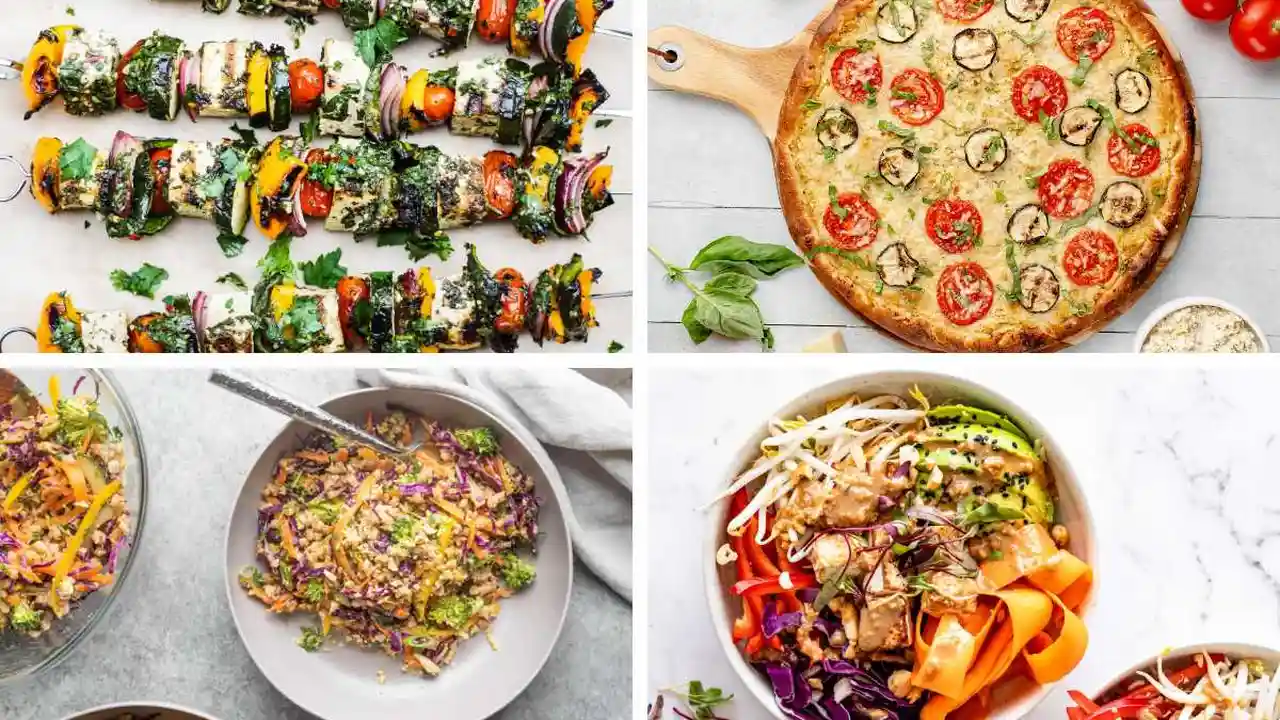
Seasonal Vegan Dishes 5 Creative Options
Savor the flavors of the sea with these 4 fresh seasonal seafood recipes. Enjoy light and delicious meals.
Savor the flavors of the sea with these 4 fresh seasonal seafood recipes. Enjoy light and delicious meals.
Seasonal Seafood Recipes 4 Fresh Catches
There's nothing quite like fresh seafood to elevate a meal, especially when it's in season. Eating seasonally not only ensures the best flavor and quality but also supports sustainable fishing practices. Whether you're a seasoned chef or a home cook looking to expand your culinary horizons, incorporating seasonal seafood into your diet is a fantastic way to enjoy light, delicious, and healthy meals. This guide will dive into four fantastic fresh catches, offering detailed recipes, usage scenarios, product comparisons, and even pricing insights to help you make the most of your seafood adventures.
Spring Delights Wild Caught Salmon Recipes and Benefits
As spring awakens, so does the availability of wild-caught salmon, particularly varieties like Alaskan Sockeye or King Salmon. These fish are renowned for their rich, buttery flavor and vibrant color, a testament to their natural diet. Wild-caught salmon is a powerhouse of Omega-3 fatty acids, essential for heart health and brain function, along with a significant dose of Vitamin D and B vitamins. Its firm, flaky texture makes it incredibly versatile for various cooking methods.
Recipe 1 Pan Seared Lemon Herb Salmon with Asparagus
This recipe highlights the natural flavors of salmon with minimal fuss, perfect for a weeknight dinner or a light spring gathering.
Ingredients:
- 2 (6-ounce) wild-caught salmon fillets, skin on or off
- 1 tablespoon olive oil
- 1 lemon, half thinly sliced, half for juice
- 2 sprigs fresh dill, chopped
- 2 sprigs fresh parsley, chopped
- 1 bunch asparagus, trimmed
- Salt and freshly ground black pepper to taste
Instructions:
- Pat salmon fillets dry with paper towels. Season generously with salt and pepper.
- Heat olive oil in a large non-stick skillet over medium-high heat.
- Place salmon skin-side down (if applicable) in the hot skillet. Cook for 4-5 minutes until the skin is crispy and golden.
- Flip the salmon and add asparagus to the pan. Squeeze lemon juice over the salmon and asparagus. Arrange lemon slices on top of the salmon.
- Continue cooking for another 3-5 minutes, or until salmon is cooked through and asparagus is tender-crisp.
- Sprinkle with fresh dill and parsley before serving.
Usage Scenario:
This dish is ideal for a healthy family dinner, a romantic meal for two, or even as a sophisticated lunch option. It pairs beautifully with a crisp white wine like Sauvignon Blanc or Pinot Grigio.
Product Comparison and Pricing:
When it comes to salmon, the choice between wild-caught and farmed is significant. Wild-caught salmon, especially Alaskan Sockeye or King, typically has a deeper color, firmer texture, and more pronounced flavor due to its natural diet and active lifestyle. Farmed salmon, while more readily available and often cheaper, can have a higher fat content and a milder flavor. For this recipe, we highly recommend wild-caught for its superior taste and nutritional profile.
- Wild-Caught Alaskan Sockeye Salmon: Expect to pay around $15-25 per pound, depending on the season and retailer. Brands like Vital Choice Wild Seafood & Organics (online) or your local high-end grocery store (e.g., Whole Foods Market) often carry excellent quality.
- Wild-Caught Alaskan King Salmon: This is the premium choice, often ranging from $25-40+ per pound. Look for it at specialty fish markets.
- Farmed Atlantic Salmon: Generally $8-15 per pound, widely available at most supermarkets. While not ideal for this specific recipe's emphasis on 'fresh catches,' it's a more budget-friendly option for general salmon consumption.
Recommendation: For the best flavor and health benefits, invest in wild-caught Sockeye or King salmon. The difference is truly noticeable.
Summer Grilling Favorites Mahi Mahi and Its Versatility
Summer brings with it the perfect opportunity for grilling, and Mahi-Mahi is an excellent choice for the barbecue. This firm, white-fleshed fish has a mild, slightly sweet flavor that holds up well to bold marinades and high heat. It's also a good source of lean protein, Niacin, and Vitamin B12, making it a healthy and delicious option for your summer meals.
Recipe 2 Grilled Spicy Mango Salsa Mahi Mahi
This recipe combines the delicate flavor of Mahi-Mahi with a vibrant, spicy mango salsa, creating a dish that screams summer.
Ingredients:
- 2 (6-ounce) Mahi-Mahi fillets
- 1 tablespoon olive oil
- Salt and black pepper to taste
- For the Mango Salsa:
- 1 ripe mango, diced
- 1/4 red onion, finely diced
- 1/4 cup chopped fresh cilantro
- 1 jalapeño, seeded and minced (adjust to your spice preference)
- Juice of 1 lime
- Pinch of salt
Instructions:
- Prepare the mango salsa: In a medium bowl, combine diced mango, red onion, cilantro, minced jalapeño, lime juice, and a pinch of salt. Stir well and set aside.
- Pat Mahi-Mahi fillets dry. Brush with olive oil and season with salt and pepper.
- Preheat grill to medium-high heat.
- Place Mahi-Mahi on the hot grill grates. Cook for 3-4 minutes per side, or until the fish is opaque and flakes easily with a fork.
- Serve grilled Mahi-Mahi topped generously with the spicy mango salsa.
Usage Scenario:
This dish is perfect for a backyard barbecue, a casual summer dinner party, or a light and flavorful lunch. It pairs wonderfully with grilled corn on the cob, a simple green salad, or coconut rice. For drinks, consider a light lager or a refreshing sparkling water with lime.
Product Comparison and Pricing:
Mahi-Mahi is typically sold as fillets, either fresh or frozen. Fresh Mahi-Mahi will offer the best texture and flavor, but high-quality frozen options can be a good alternative if fresh isn't available.
- Fresh Mahi-Mahi Fillets: Prices typically range from $12-20 per pound. Look for firm, moist fillets with a clean, mild smell. Reputable fishmongers or seafood counters at stores like Costco or H-E-B (in the US) often have good selections.
- Frozen Mahi-Mahi Fillets: Often available in larger bags, costing around $8-15 per pound. Brands like Open Nature (Safeway/Albertsons) or Kirkland Signature (Costco) offer decent quality frozen options. Ensure they are individually vacuum-sealed for freshness.
Recommendation: Opt for fresh Mahi-Mahi if possible. If buying frozen, ensure it's a reputable brand and thaw it slowly in the refrigerator overnight for best results.
Autumn Harvest Scallops Pan Seared Perfection
As the leaves turn, bay scallops and sea scallops become particularly plump and sweet. Scallops are a true delicacy, known for their tender, buttery texture and delicate, sweet flavor. They are also an excellent source of protein, magnesium, and potassium. The key to perfectly cooked scallops is a screaming hot pan and not overcrowding it, allowing them to develop a beautiful golden-brown crust.
Recipe 3 Pan Seared Scallops with Butternut Squash Risotto
This recipe combines the sweetness of scallops with the earthy richness of butternut squash risotto, creating a comforting yet elegant autumn meal.
Ingredients:
- 1 pound large sea scallops, patted very dry
- 1 tablespoon olive oil
- 1 tablespoon unsalted butter
- Salt and freshly ground black pepper to taste
- For the Butternut Squash Risotto:
- 1 tablespoon olive oil
- 1 small onion, finely chopped
- 1 clove garlic, minced
- 1 cup Arborio rice
- 1/2 cup dry white wine (e.g., Pinot Grigio)
- 4 cups hot vegetable or chicken broth
- 1 cup roasted butternut squash puree (roast cubed squash until tender, then mash)
- 1/2 cup grated Parmesan cheese
- 2 tablespoons unsalted butter
- Salt and pepper to taste
- Fresh sage leaves for garnish (optional)
Instructions:
- Prepare the Risotto: Heat olive oil in a large saucepan or Dutch oven over medium heat. Add onion and cook until softened, about 5 minutes. Add garlic and cook for 1 minute more.
- Add Arborio rice and stir for 1-2 minutes until the edges become translucent. Pour in white wine and stir until fully absorbed.
- Begin adding hot broth, one ladleful at a time, stirring constantly until each addition is absorbed before adding the next. Continue for 18-20 minutes, or until rice is creamy and al dente.
- Stir in butternut squash puree, Parmesan cheese, and 2 tablespoons butter. Season with salt and pepper. Keep warm.
- Sear the Scallops: While risotto is finishing, heat olive oil and 1 tablespoon butter in a large non-stick or cast-iron skillet over high heat until shimmering and almost smoking.
- Season scallops generously with salt and pepper. Place scallops in the hot pan in a single layer, ensuring not to overcrowd the pan (cook in batches if necessary).
- Sear for 1.5-2 minutes per side, until a deep golden-brown crust forms and the scallops are opaque throughout.
- Serve scallops immediately over the butternut squash risotto, garnished with fresh sage if desired.
Usage Scenario:
This dish is perfect for a special occasion dinner, a cozy autumn evening, or when you want to impress guests with a restaurant-quality meal. It pairs beautifully with a medium-bodied Chardonnay or a light-bodied Pinot Noir.
Product Comparison and Pricing:
Scallops are typically sold as 'dry' or 'wet.' 'Dry' scallops are untreated and will sear beautifully, forming a nice crust. 'Wet' scallops are treated with a phosphate solution, which makes them absorb water, increasing their weight but hindering browning. Always opt for 'dry' scallops if possible.
- Dry Sea Scallops: These are the preferred choice for searing. Expect to pay $20-35 per pound. Look for them at high-quality fish markets or online retailers like Fulton Fish Market or Citarella.
- Wet Sea Scallops: More common in conventional supermarkets, often priced lower at $15-25 per pound. While edible, they won't achieve the same sear.
- Bay Scallops: Smaller and sweeter, often used in pasta dishes or stir-fries. Priced similarly to wet sea scallops.
Recommendation: Always ask your fishmonger for 'dry' sea scallops. The investment is worth it for the superior texture and flavor.
Winter Warmers Cod and Its Comforting Potential
As winter sets in, hearty and comforting meals become a staple. Cod, with its mild flavor and flaky white flesh, is an excellent choice for warming dishes like stews, chowders, or baked preparations. It's a lean protein source, rich in Vitamin B12, Iodine, and Selenium, making it a healthy and satisfying option for colder months.
Recipe 4 Baked Cod with Roasted Root Vegetables
This recipe combines tender baked cod with sweet and savory roasted root vegetables, creating a wholesome and comforting winter meal.
Ingredients:
- 2 (6-ounce) cod fillets, fresh or thawed
- 1 tablespoon olive oil
- 1 teaspoon paprika
- 1/2 teaspoon garlic powder
- Salt and freshly ground black pepper to taste
- For the Roasted Root Vegetables:
- 2 carrots, peeled and chopped into 1-inch pieces
- 2 parsnips, peeled and chopped into 1-inch pieces
- 1 sweet potato, peeled and chopped into 1-inch cubes
- 1 red onion, cut into wedges
- 2 tablespoons olive oil
- 1 teaspoon dried thyme
- Salt and pepper to taste
Instructions:
- Preheat oven to 400°F (200°C).
- On a large baking sheet, toss carrots, parsnips, sweet potato, and red onion with 2 tablespoons olive oil, dried thyme, salt, and pepper. Spread in a single layer.
- Roast for 20-25 minutes, or until vegetables are tender-crisp and slightly caramelized.
- While vegetables are roasting, pat cod fillets dry. In a small bowl, combine 1 tablespoon olive oil, paprika, garlic powder, salt, and pepper. Rub this mixture over both sides of the cod fillets.
- Once vegetables are nearly done, make space on the baking sheet and add the seasoned cod fillets.
- Return to the oven and bake for another 10-15 minutes, or until cod is opaque and flakes easily with a fork. Cooking time will vary based on thickness.
- Serve the baked cod alongside the roasted root vegetables.
Usage Scenario:
This dish is perfect for a comforting family dinner on a cold winter night. It's also a great meal prep option, as both the cod and vegetables reheat well. Pair it with a simple side salad or a crusty bread to soak up any juices. For drinks, a light-bodied white wine like Chardonnay or a non-alcoholic ginger beer would be lovely.
Product Comparison and Pricing:
Cod is widely available both fresh and frozen. While fresh is always preferred for texture, high-quality frozen cod can be an excellent and convenient option, especially in areas far from the coast.
- Fresh Cod Fillets: Typically $10-18 per pound. Look for firm, white fillets with a clean, mild scent. Your local fishmonger or larger supermarkets with a good seafood counter (e.g., Wegmans, Publix) are good sources.
- Frozen Cod Loins/Fillets: Often sold in bags, costing around $8-15 per pound. Brands like Gorton's (for convenience) or higher-end frozen options from Trader Joe's or Whole Foods Market can be good. Ensure they are wild-caught if possible.
- Alaskan Cod vs. Atlantic Cod: Alaskan cod is often considered more sustainable. Both are excellent for this recipe.
Recommendation: If fresh cod is available and looks good, go for it. Otherwise, a good quality frozen cod, thawed properly, will still yield a delicious result for this comforting dish.
Sustainable Seafood Choices Making Informed Decisions
Beyond just seasonal availability, making sustainable seafood choices is crucial for the health of our oceans. Overfishing and destructive fishing practices can severely impact marine ecosystems. When purchasing seafood, consider using resources like the Monterey Bay Aquarium Seafood Watch program. They provide up-to-date recommendations on which seafood is the best choice, good alternative, or to be avoided, based on scientific assessments of fishing methods and stock levels. Many seafood retailers now label their products with sustainability certifications, such as MSC (Marine Stewardship Council) or ASC (Aquaculture Stewardship Council), which can guide your choices.
Key Considerations for Sustainable Seafood
- Wild-Caught vs. Farmed: While wild-caught is often preferred, some farmed seafood (like certain types of farmed salmon or tilapia) can be very sustainable if raised responsibly. Look for certifications.
- Fishing Method: Line-caught or pole-and-line methods are generally more sustainable than large-scale trawling, which can have significant bycatch.
- Origin: Knowing where your fish comes from can help you assess its sustainability. Local seafood often has a lower carbon footprint.
- Seasonality: As discussed, eating seafood when it's in season often means it's more abundant and less stressed by fishing pressures.
By combining seasonal awareness with sustainable practices, you can enjoy delicious seafood while contributing to healthier oceans for future generations. Experiment with these recipes and explore the vast world of seasonal seafood to bring fresh, vibrant flavors to your table all year round.
:max_bytes(150000):strip_icc()/277019-baked-pork-chops-with-cream-of-mushroom-soup-DDMFS-beauty-4x3-BG-7505-5762b731cf30447d9cbbbbbf387beafa.jpg)