Seasonal Closet Organization 4 Smart Methods
Optimize your wardrobe with these 4 smart methods for seasonal closet organization. Keep your clothes tidy and accessible.
Optimize your wardrobe with these 4 smart methods for seasonal closet organization. Keep your clothes tidy and accessible. As the seasons change, so too should your approach to your wardrobe. It's not just about swapping out heavy coats for light dresses; it's about creating a system that makes getting dressed a joy, not a chore. A well-organized closet saves you time, reduces stress, and helps you rediscover forgotten gems. Let's dive into four smart methods that will revolutionize your seasonal closet organization.
The Art of Seasonal Closet Organization: 4 Smart Methods for a Tidy and Accessible Wardrobe
Method 1: The Seasonal Swap – Maximizing Space and Accessibility
The seasonal swap is perhaps the most fundamental and effective method for maintaining an organized closet. This involves rotating your clothing based on the current season, storing off-season items elsewhere. This frees up prime closet real estate for the clothes you actually need and wear, making your daily routine much smoother.
Why Seasonal Swapping Works for Your Wardrobe
Think about it: why should your bulky winter sweaters take up valuable hanger space in July? By moving out-of-season items, you immediately gain more room. This not only makes your current wardrobe more visible and accessible but also protects your off-season garments from dust, damage, and fading. It's a win-win for both space and garment longevity.
Practical Steps for an Effective Seasonal Swap
- Declutter First: Before you even think about storing, go through your off-season clothes. Ask yourself: Have I worn this in the past year? Does it still fit? Is it in good condition? Be ruthless. Donate, sell, or discard anything that doesn't meet your criteria. This prevents you from storing items you'll never wear again.
- Clean Everything: Always clean clothes before storing them. Perspiration, body oils, and food stains can attract pests and lead to permanent damage or discoloration over time. Dry clean delicate items and wash everything else according to its care label.
- Choose the Right Storage: This is crucial. Avoid plastic dry cleaning bags, as they trap moisture and can damage fabrics. Instead, opt for breathable garment bags, clear plastic bins, or vacuum-seal bags.
- Breathable Garment Bags: Ideal for delicate items, suits, and dresses. They protect from dust while allowing air circulation.
- Clear Plastic Bins: Excellent for folded items like sweaters, t-shirts, and jeans. The clear material allows you to see contents easily. Look for bins with secure lids to keep out dust and pests.
- Vacuum-Seal Bags: Perfect for bulky items like winter coats, duvets, and heavy sweaters. They compress items significantly, saving a lot of space. However, be mindful that some natural fibers like wool and down might benefit from less compression to maintain their loft.
- Designate a Storage Area: Common storage spots include under the bed, in a spare closet, attic, basement, or even dedicated storage units if space is extremely limited. Ensure the area is cool, dry, and dark to prevent damage.
- Label Everything: This might seem obvious, but it's often overlooked. Label your bins or bags clearly with their contents (e.g., 'Winter Sweaters - Women's,' 'Summer Dresses - Size M'). This makes retrieval much easier when the next season rolls around.
Recommended Products for Seasonal Swapping
- IRIS USA 74 Quart Storage Bins (6-pack): These clear, stackable bins are fantastic for folded clothes. They are durable and allow for easy visibility of contents. Price: Around $60-$80 for a 6-pack. Usage: Ideal for storing off-season jeans, t-shirts, and lighter sweaters.
- Ziploc Space Bag Vacuum Seal Storage Bags (Variety Pack): A classic for a reason. These bags significantly reduce the volume of bulky items. Price: Around $20-$30 for a variety pack. Usage: Perfect for heavy winter coats, ski jackets, and thick blankets.
- Whitmor Breathable Garment Bags (Set of 6): Protect your delicate dresses, suits, and formal wear from dust. Price: Around $15-$25 for a set. Usage: Great for storing evening gowns, suits, and seasonal jackets.
Method 2: The Capsule Wardrobe Approach – Curating Your Seasonal Style
A capsule wardrobe is a curated collection of essential clothing items that can be mixed and matched to create numerous outfits. While often associated with minimalism, applying the capsule concept seasonally can drastically simplify your closet and decision-making process.
Benefits of a Seasonal Capsule Wardrobe
By focusing on a limited number of versatile pieces for each season, you reduce clutter, save money (by buying less), and streamline your morning routine. Every item in your capsule should be something you love and that fits well, ensuring you always feel great in what you wear.
How to Build Your Seasonal Capsule
- Define Your Seasonal Needs: Consider the weather, your lifestyle, and your activities for the upcoming season. Are you working from home, going into the office, or traveling frequently?
- Choose a Color Palette: Select a base color (e.g., black, navy, grey) and a few accent colors that complement each other. This ensures everything mixes and matches effortlessly.
- Select Core Pieces: These are your foundational items – versatile tops, bottoms, and outer layers that can be dressed up or down. Aim for quality over quantity.
- Add Seasonal Accents: Incorporate a few trendier items or accessories that reflect the current season's style. These can be swapped out easily.
- Review and Refine: After a few weeks, assess your capsule. Are there items you haven't worn? Do you need something else? Adjust as needed.
Product Recommendations for Building a Capsule
- Everlane The Organic Cotton Crew (various colors): A versatile, high-quality basic t-shirt that forms the foundation of many outfits. Price: Around $25-$30. Usage: Everyday wear, layering, can be dressed up or down.
- Levi's 501 Original Fit Jeans: A timeless classic that works across seasons. Invest in a good pair that fits well. Price: Around $70-$90. Usage: Casual wear, can be paired with various tops and shoes.
- Uniqlo Ultra Light Down Compact Jacket: A lightweight, packable jacket that provides warmth without bulk, perfect for transitional weather. Price: Around $60-$70. Usage: Layering, light outerwear for spring/fall, travel.
Method 3: Vertical Storage Solutions – Maximizing Every Inch of Your Closet
When horizontal space is limited, going vertical is your best friend. Utilizing the full height of your closet can double or even triple your storage capacity, making it easier to organize seasonal items.
Why Vertical Storage is a Game Changer for Small Closets
Many closets have unused space above and below the main hanging rod. By adding shelves, drawers, or hanging organizers, you can create designated zones for different types of clothing and accessories, including seasonal items that might not fit on hangers.
Smart Vertical Storage Strategies
- Add Extra Shelving: If your closet only has one rod, consider adding a second one below it for shorter items like shirts and skirts, and shelves above for folded items or storage bins.
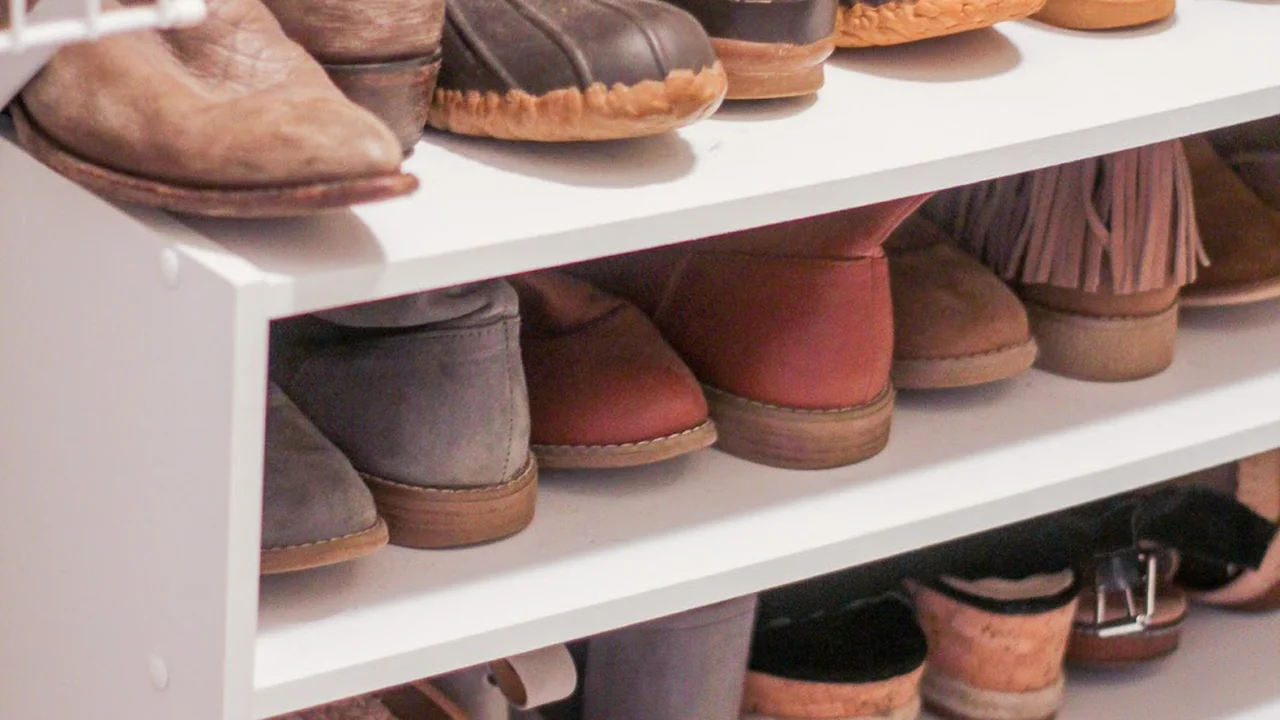
- Utilize Hanging Organizers: These fabric or wire shelves hang from your closet rod and are perfect for sweaters, t-shirts, and even shoes. Some come with built-in drawers.
- Over-the-Door Organizers: Great for accessories like scarves, belts, and even small seasonal items like gloves or hats.
- Stackable Drawers or Bins: Place these on the floor of your closet or on shelves to create additional enclosed storage for seasonal accessories or folded garments.
Recommended Vertical Storage Products
- Simple Houseware 6-Shelf Hanging Closet Organizer: A popular choice for adding instant shelving. Price: Around $15-$20. Usage: Storing folded sweaters, t-shirts, and seasonal accessories like scarves or hats.
- SONGMICS Stackable and Foldable Storage Cubes (Set of 6): These fabric cubes can be stacked on shelves or on the floor to create modular storage. Price: Around $30-$40. Usage: Organizing seasonal shoes, bags, or smaller folded items.
- Umbra Over-the-Door Organizer: Perfect for maximizing unused door space for accessories. Price: Around $20-$30. Usage: Holding seasonal scarves, belts, or even small clutches.
Method 4: The Zone System – Creating Dedicated Seasonal Areas
The zone system involves dividing your closet into specific areas for different categories of clothing, including seasonal wear. This method works well in larger closets or walk-ins where you have more flexibility.
Benefits of Zoning Your Closet for Seasonal Organization
By assigning specific zones, you create a visual and physical structure for your wardrobe. This makes it incredibly easy to locate items, put things away, and manage your seasonal transitions without everything becoming a jumbled mess.
Implementing the Zone System
- Identify Your Zones: Common zones include: everyday wear, workwear, formal wear, activewear, and seasonal wear (e.g., a 'winter' zone, a 'summer' zone).
- Assign Prime Real Estate: Your most frequently worn items (everyday and current season) should be in the most accessible zones. Less frequently worn items (off-season, formal wear) can be in higher or lower areas.
- Use Dividers and Labels: Shelf dividers, drawer organizers, and clear labels help maintain the integrity of each zone.
- Maintain Regularly: The zone system requires consistent upkeep. When you bring new seasonal items in, ensure they go into their designated zone.
Products to Help with Closet Zoning
- ClosetMaid Shelf Dividers (Set of 4): These simple wire dividers help keep stacks of clothes neat and separate different categories on shelves. Price: Around $10-$15. Usage: Separating seasonal sweaters from everyday tops on shelves.
- Drawer Organizers (various sizes): Use these to compartmentalize drawers for smaller seasonal items like socks, tights, or swimwear. Price: Varies widely, from $10-$30 for sets. Usage: Organizing seasonal socks, underwear, or small accessories within drawers.
- The Container Store Clear Shoe Boxes: While primarily for shoes, these clear, stackable boxes are excellent for organizing small seasonal accessories like gloves, hats, or even delicate scarves within a designated zone. Price: Around $2-$4 per box. Usage: Storing seasonal footwear, small bags, or winter accessories.
Comparing the Methods: Which One is Right for You?
Each method offers unique advantages, and the best approach often involves combining elements from several. For instance, you might use the Seasonal Swap for your main clothing rotation, incorporate Vertical Storage Solutions in a small closet, and apply the Capsule Wardrobe philosophy to your everyday wear within your current season's collection.
The Seasonal Swap is essential for everyone, regardless of closet size, as it directly addresses the issue of having too many clothes for one season taking up space. It's the foundational step.
The Capsule Wardrobe Approach is ideal for those looking to simplify their style, reduce decision fatigue, and invest in fewer, higher-quality pieces. It's a mindset shift as much as an organizational method.
Vertical Storage Solutions are a lifesaver for anyone with limited closet space. If your closet feels perpetually full, even after decluttering, this method will help you unlock hidden potential.
The Zone System is most effective in larger closets or for individuals with diverse wardrobes (e.g., needing separate sections for work, casual, and formal wear). It brings order to abundance.
Ultimately, the goal is to create a system that works for your lifestyle, your space, and your wardrobe. Don't be afraid to experiment and find what makes your closet a functional and enjoyable part of your home. Happy organizing!
:max_bytes(150000):strip_icc()/277019-baked-pork-chops-with-cream-of-mushroom-soup-DDMFS-beauty-4x3-BG-7505-5762b731cf30447d9cbbbbbf387beafa.jpg)